Can a robot mower handle 2 acres in 2026? Honest, spec-verified picks for large properties at the top edge of consumer robot mowers, ranked by MowScout Score.
Affiliate disclosure: MowScout earns a commission when you buy through our links, including as an Amazon Associate. Recommendations are based on yard fit, verified specs, and score methodology; commission can only break close ties among genuine fits.
Quick answer: 2 acres finally has a genuine single-machine answer — but it's a pricey, tracked prosumer platform, and the mainstream wire-free field still tops out well below it. The one mower we track that is actually rated past 2 acres is the Yarbo Lawn Mower Pro (MowScout Score 89), a tracked platform rated to a claimed 6 acres of maximum area at an estate-class price — with the mower deck mounting on Yarbo's separately-sold Core base, and honest daily coverage of only about 1.7 acres per day. Just below it, the tracked Lymow One Plus (Score 90) is rated to 1.73 acres of both maximum area and daily coverage — the best fit for a "2-acre" lot that measures 1.5 to 1.7 acres of real grass. If you'd rather buy a mainstream wire-free mower, the largest option is the Segway Navimow X450 (Score 93), rated to 1.5 acres with AWD (about 1.0 acre/day); the tri-fusion Mammotion LUBA 3 AWD 5000H (out of stock) (1.25 acres, 80% grade) is the steep-and-wooded specialist when it is back in stock. But read the reality check below before you order any of them: on a mainstream mower, a lawn with a true 2 acres of grass still needs a multi-day mowing cycle or two mowers, and even the 6-acre Yarbo maintains far less than its ceiling per day.
This page is spec-verified and data-driven, not hands-on. We have not run a unit across your two acres, so every figure here comes from published manufacturer specifications and verified US pricing, cross-checked against retailer listings and captured in the MowScout Score — and we say so plainly wherever a claim is a rating rather than a measurement. There are no fabricated field tests, timing runs, or photos on this page. Confirm the current price before you buy, because this category discounts weekly. For how the navigation works, start with the pillar, Robot lawn mowers explained, or skip to the 60-second configurator.
The short answer, and an honest reality check
Let's be upfront, because it saves you money: until recently, 2 acres was above the rating of every robot mower we score — that's changed, but only at the top of the market. One tracked prosumer platform, the Yarbo Lawn Mower, is now rated to a claimed 6 acres, so a true 2-acre lawn finally has a genuine single-machine option. In the mainstream tier, though, the physics of battery, charge cycles, and mapping still cap wire-free machines at roughly 1 to 1.5 acres of maintained lawn: the largest mainstream area ratings we track are the Navimow X350 and X450 at 1.5 acres, and even they cover only about 1.0 acre per day. And the Yarbo isn't a "buy this one and forget it" bargain — it's an estate-priced tracked machine whose ~1.7-acre daily coverage still runs a 2-acre lawn across more than a day. So the honest read is: there's now a way to do 2 acres with one robot, but it's an estate-class purchase, not the half-acre experience.
That does not mean a robot mower is off the table for your property — it means you have to size honestly. Two things decide whether one of our picks will work for you:
How much of your 2 acres is actually grass. A parcel deeded at 2 acres, after you remove the house,
driveway, patio, beds, and any woods, very often has 1.2 to 1.6 acres of real mowable turf. If yours lands at or under ~1.5 acres, the biggest single mower can maintain it (on a longer cycle). If it is a genuine open 2 acres of grass, one mower cannot keep up and you are into two-mower or estate territory.
How the property is laid out. A single open field is the hardest case for one small-capacity mower but
the easiest to split. A property that is already a front acre and a back acre is a natural fit for two mowers, each with its own base station.
So our recommendation for a big property is layered. Measure your mowable acreage first (the configurator or any satellite-measure tool helps). If it is 1.5 acres or less, the mainstream X450 (or the 2WD X350) is the closest single-mower fit, and between 1.5 and 1.7 acres the tracked Lymow One Plus covers it every day. For a steep or tree-shaded lawn, the LUBA 3 5000H is the pick once it is back in stock. If it is genuinely near or past 2 acres of turf and you want one machine, the tracked Yarbo (rated to a claimed 6 acres) is the only single mower we track that clears it — otherwise plan on two mainstream mowers split by zone. Everything below explains why, and which of our data-backed models fit each path. For a slightly smaller target, our best for large yards & 1+ acre and best for 1 acre guides carry the same picks sized down.
Why 2 acres is so hard for a robot mower
A two-acre lawn attacks a robot mower on four fronts at once, and stacking all four is what pushes it past the edge of the consumer category.
1. Area capacity — and the ceiling. Every mower carries a maximum area rating: the total lawn it is built to maintain on a repeating schedule. That ceiling is set by battery size, motor efficiency, and how much map the software can hold. In the mainstream tier our largest ratings are 1.5 acres (the X350 and X450), then 1.25 (LUBA 3 5000H), then 1.0 (the X330, X430 and Husqvarna 420 iQ) — a true 2-acre lawn sits above the top of that list, so no mainstream single unit can hold the whole thing in one map and keep it maintained. The one exception is the tracked, prosumer Yarbo, rated to a claimed 6 acres — it clears the area wall, but at an estate-class price and with daily coverage (~1.7 acres) far below its ceiling. So for most buyers this is still the first and hardest wall; the way past it is either estate-class hardware or splitting the job.
2. Daily coverage — keeping up with growth. Max area tells you the total lawn a mower can maintain; daily coverage tells you how much it can actually mow in a day. On a small yard the two numbers are effectively equal. On a big one they diverge, and that gap is where large-lot mowers quietly fail. The clearest example in our data is the X350: rated to 1.5 acres, but about 1.0 acre of daily coverage — so even its full rated map runs on a roughly day-and-a-half cycle. Point it at 2 acres and it simply cannot out-mow spring growth; the lawn looks unfinished no matter how the spec sheet reads.
3. Recharge cadence over long runs. A big lot means long drives back to the base station to recharge, and every recharge is time not spent cutting. The farther the working zone is from the dock, the more of the day is eaten by transit and charging rather than mowing. Over 2 acres, a single dock in one corner leaves the far side chronically under-served — another reason large properties favor multiple zones (and sometimes multiple docks) over one machine grinding across the whole thing.
4. Navigation error compounds over distance. On a 0.1-acre lawn, a couple of centimeters of positioning drift is invisible. Across a 250-foot open pass on a 2-acre field, small errors accumulate into missed strips, overlap, and crooked lines — and a mower that loses its fix in the middle of a big open lot has a long way to wander before it recovers. Over large distances, redundant navigation (fusion systems that cross-check LiDAR, RTK, and vision) beats any single sensor, because one reference covers another's blind spot before the error grows. It is one reason the fusion-based LUBA 3 5000H outscores the X350 even though the X350 has the larger area rating.
The takeaway: a 2-acre lawn needs capacity beyond what exists, daily coverage that keeps up, a dock layout that does not strand the far corners, and navigation that stays honest over distance. Because no single consumer mower clears the first hurdle, the real question is how you split the job — which is the next section.
The honest options for a 2-acre lawn
There are three legitimate ways to mow a 2-acre property with robots today. Only one is "a single machine does it all" — and it's an estate-class tracked platform, not a mainstream wire-free mower. Any site that tells you a $2,000 wire-free robot maintains a full 2 acres on its own is selling you a mower that will fall behind.
Option A — One estate-class tracked machine (the genuine single-machine answer). The one robot we track that is actually rated past 2 acres is the Yarbo Lawn Mower (Score 89), a tracked AWD platform rated to a claimed 6 acres of maximum area. It's the honest "one machine does the whole thing" option for a true 2-acre lawn — but go in clear-eyed: its daily coverage is only about 1.7 acres, so 2 acres still runs across more than one day; it's a tracked prosumer platform, not a tidy suburban mower; and the mower deck is a module that attaches to Yarbo's separately-sold Core base, so price and setup are estate-class. The tracked Lymow One Plus (Score 90) is the smaller alternative in this tier: rated to 1.73 acres of both max area and daily coverage, it needs an RTK antenna and carries an unverified 100% slope claim. If you want one robot to own the whole 2 acres and the budget is there, this tier — not a mainstream wire-free mower — is where to look.
Option B — One mainstream mower on a multi-day cycle (only if your mowable turf is ≤1.5 acres). If your deeded 2 acres is really 1.3–1.5 acres of grass and you'd rather spend mainstream money, the Navimow X450 or X350 (1.5-acre ratings) can maintain it — but plan around their ~1.0-acre daily coverage. Either works through the full map over a multi-day loop rather than finishing every day, which is fine for slow-growing turf and a real problem in a fast spring. Set a frequent schedule, keep the cut height sensible so it never has to bite through tall growth, and accept that in peak season the far zones may look a day behind. This is the cheaper path, and it only works if you have honestly measured your grass at or under 1.5 acres.
Option C — Two mowers split by zone (the reliable mainstream path for a true 2 acres). Two machines, each with its own base station covering a separate sub-acre area, is how most genuine 2-acre lawns get robot-mowed without stepping up to a tracked estate platform. Split the front and back (or the two halves of an open field with a virtual boundary) so each mower maintains roughly an acre with headroom. Two Navimow X330s (1.0 acre each, open-sky) cover a flat 2-acre lot cleanly; for a mixed property, put an X450 on the open section and a LiDAR Dreame A3 AWD Pro (0.87 acre) on the steep or wooded one; a LUBA 3 5000H (out of stock) plus a smaller LUBA is the all-tri-fusion version once the 5000H is back in stock. It costs more up front than one mower, but each machine stays inside its rating and daily coverage, so the whole lawn actually stays cut. If your property is already several separated areas, this is the natural — sometimes the only — mainstream answer, because one dock cannot reach them all.
For most readers with a "2-acre" listing, the honest answer is Option B if your grass measures ≤1.5 acres, Option A or C if it is genuinely near 2 acres — Option A if you want one machine and will pay estate-class money for the tracked Yarbo, Option C if you'd rather split the job across two mainstream mowers. The ranked picks below cover all three paths.
What we prioritized for a 2-acre property (and how the Score reflects it)
The MowScout Score is a weighted composite of price, area, slope, drivetrain, and navigation. For a lot this large, we leaned hardest on the specs that decide whether a mower can finish the ground it is given:
Maximum area — matched to your mowable turf. Only the tracked Yarbo is rated past 2 acres, so for a
genuine 2-acre lot we rank it first on capacity; for buyers who don't want an estate-class tracked platform, we then rank the biggest mainstream ratings and weigh daily coverage and navigation.
Daily coverage and recharge cadence. We check that the daily-coverage figure keeps up with the max
area, and we flag models (the X450 and X350) where it does not, so you can plan a multi-day schedule or add a second mower.
Navigation reliability over distance. Fusion and redundant systems earn the top navigation sub-scores
because they hold position across long open passes and near obstacles where a single sensor drifts.
Drivetrain and slope, because big lots hide banks. Large properties usually include swales and grades,
so AWD and a real slope rating carry weight even when the headline is area.
Multi-zone mapping. A 2-acre property is almost never one rectangle; more mapped zones means a
segmented lot is representable in software, which also makes the two-mower split cleaner.
Everything below is grounded in `data/mowers.json` and the MowScout Score. Where we say "rated," we mean the manufacturer's number, verified against a retail listing — not something we measured ourselves.
The closest-fit robot mowers for 2 acres, ranked
Ranked for a 2-acre property specifically: the one machine actually rated past 2 acres first, then the tracked 1.73-acre Lymow, then the mainstream big-lot picks in capacity and Score order, with the out-of-stock LUBA 3 AWD 5000H last — and the daily-coverage, price, and slope caveats each carries called out honestly. Only the Yarbo is rated beyond 2 acres; the rest are the closest single-mower fits and the pieces you build a two-mower split from.
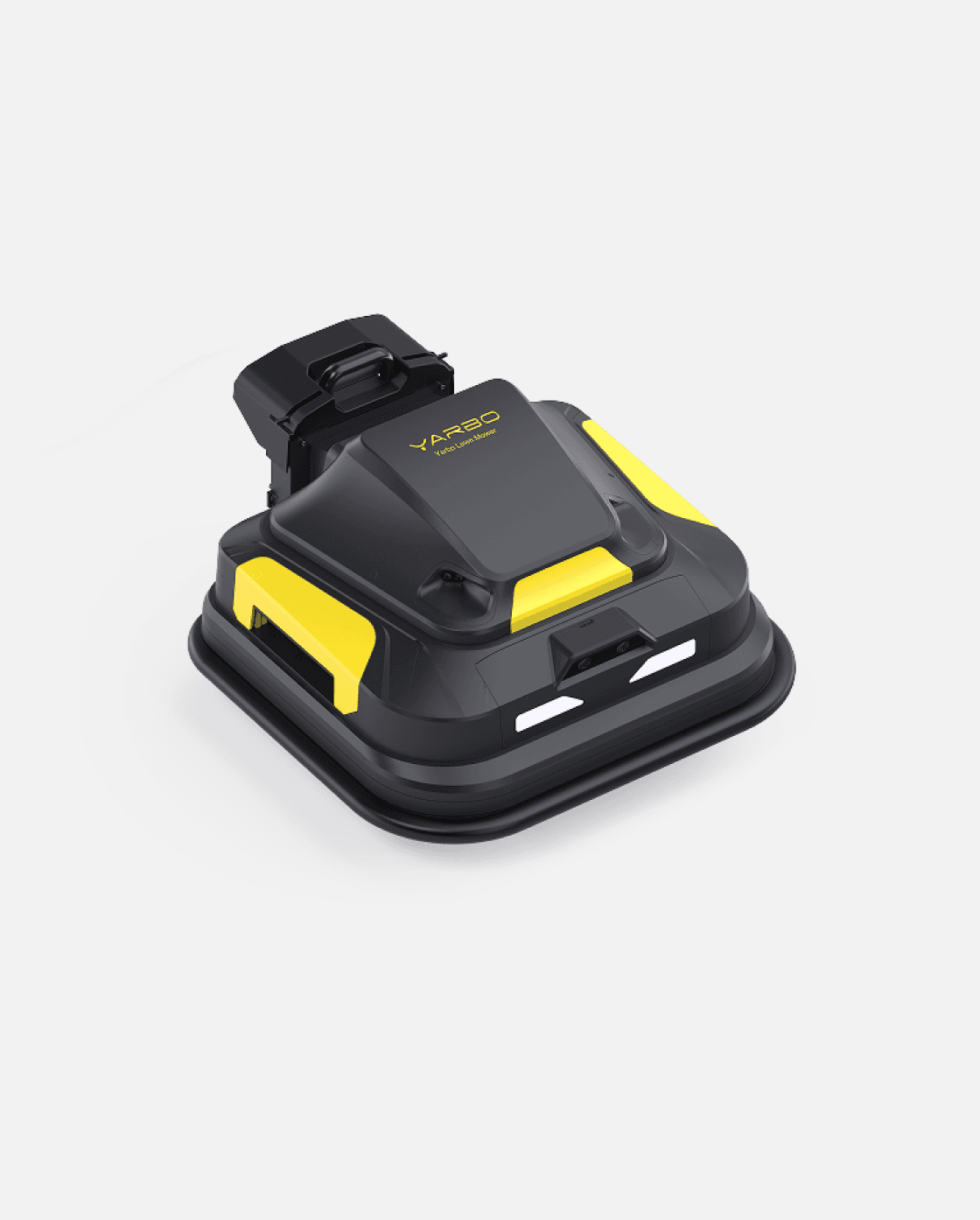
1. Yarbo Lawn Mower Pro — MowScout Score 89 (the only single machine rated past 2 acres)
Yarbo Lawn Mower Pro robot lawn mower
The one robot we track that is genuinely rated for a 2-acre-and-up property — and the honest single-machine answer if you'll pay for it. The Yarbo is a tracked platform rated to a claimed 6 acres of maximum area, with a wide 20-inch deck. The caveats are what keep this honest, and they matter: its daily coverage is only about 1.7 acres, so even this machine works a true 2-acre lawn across more than a single day; it's a tracked prosumer platform, heavier and pricier than any mainstream mower here; the mower is a module that attaches to Yarbo's separately-sold Core base (an added cost and setup step); and its 6-acre and slope figures are manufacturer claims we haven't independently verified. Buy it when you want one robot to own the whole 2+ acres and the estate-class budget is there. The tracked Lymow One Plus at #2 is the smaller alternative. Read the full review.
2. Lymow One Plus — MowScout Score 90 (the tracked fit for 1.5 to 1.7 acres of grass)
Lymow One Plus robot lawn mower
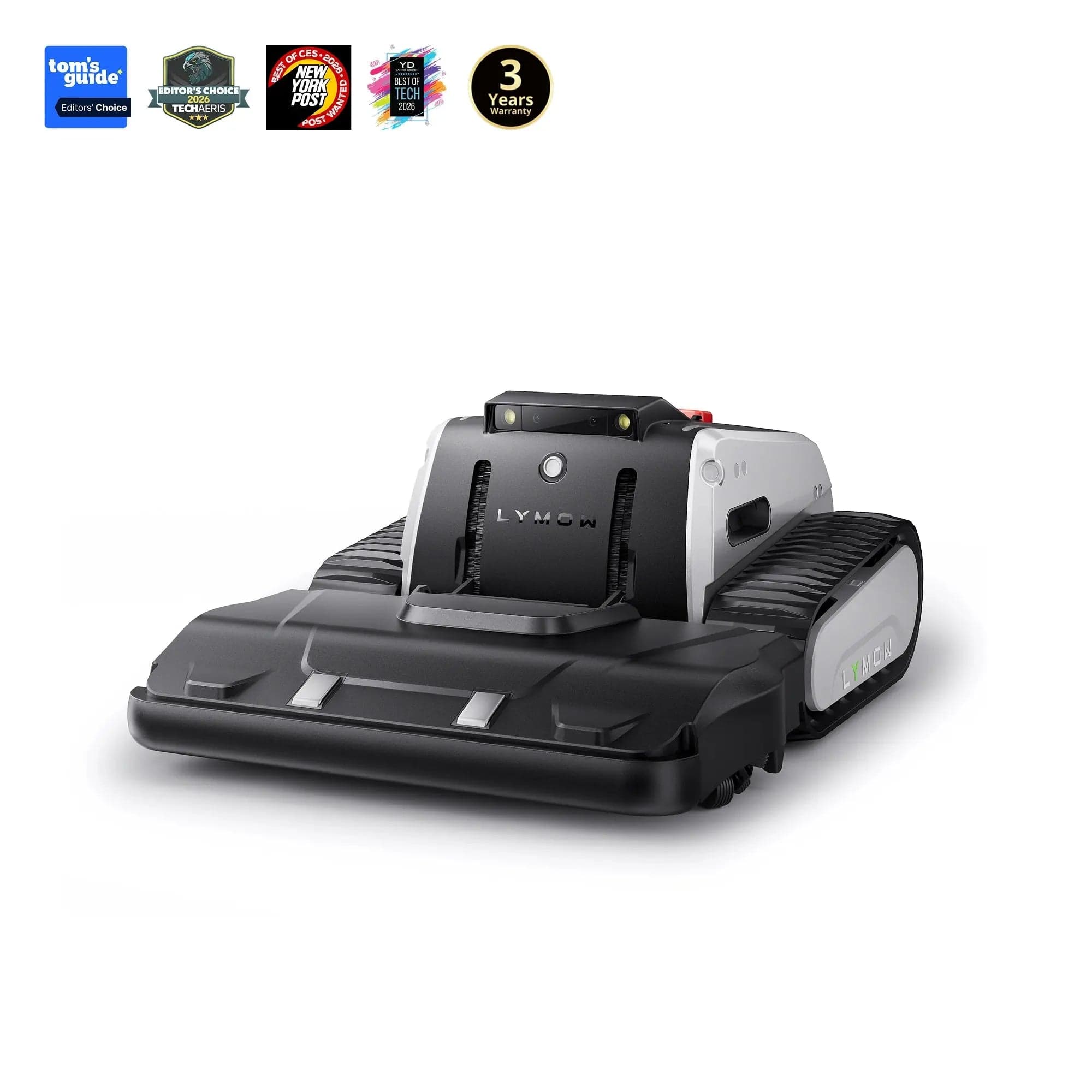
The closest single fit for the most common "2-acre" reality: a lot with 1.5 to 1.7 acres of actual grass. The One Plus is a tracked machine rated to 1.73 acres of both maximum area and daily coverage, so within its rating it finishes the whole lawn every day instead of running a multi-day loop, and it maps up to 80 zones with a 16-inch deck. Honest caveats: it needs an RTK antenna sited under open sky; its 100% slope figure is a manufacturer claim we have not verified; it is heavy (about 78.5 lb) and loud (about 68 dB); and Lymow is a newer brand with a limited independent track record. For a genuinely 2-acre lawn it still falls short, so pair it with a second mower or step up to the Yarbo. Read the full review.
3. Segway Navimow X450 — MowScout Score 93 (the closest mainstream single fit, with AWD)
Segway Navimow X450 robot lawn mower
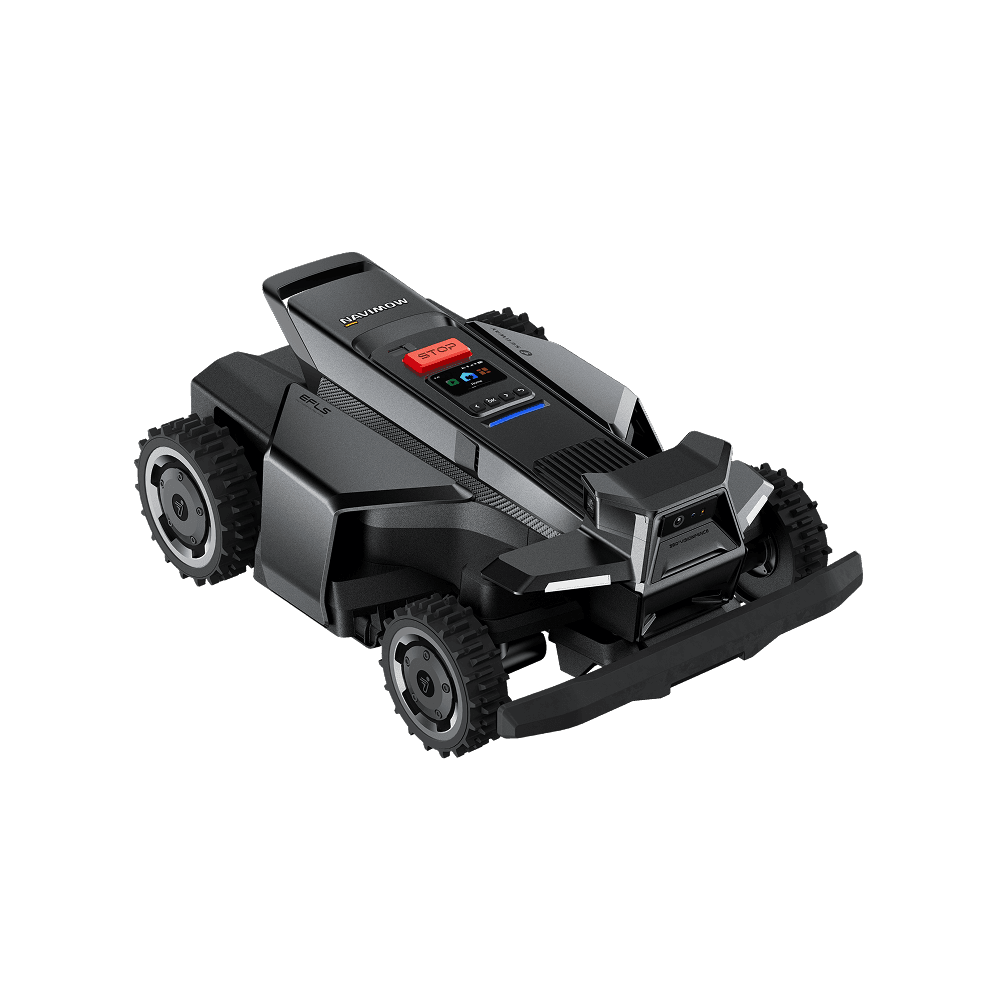
Tied for the highest MowScout Score we track and the largest mainstream rating: 1.5 acres of maximum area, with AWD and a manufacturer-claimed 84% slope rating for the banks big lots hide, up to 120 zones, and antenna-free X4 navigation that fuses network RTK with visual SLAM and vision. Honest caveats at this size: its daily coverage is about 1.0 acre, so a 1.5-acre lawn runs on a longer-than-daily cycle and a true 2-acre lawn is above its rating; a third-party hill test of the X4 platform measured about 38% against that 84% claim; and its satellite layer wants open sky. Use it when your mowable turf measures at or under ~1.5 acres, or as the open-field half of a two-mower split. Read the full review.
4. Segway Navimow X350 — MowScout Score 85 (the quieter 2WD alternative for a big, open lot)
Segway Navimow X350 robot lawn mower
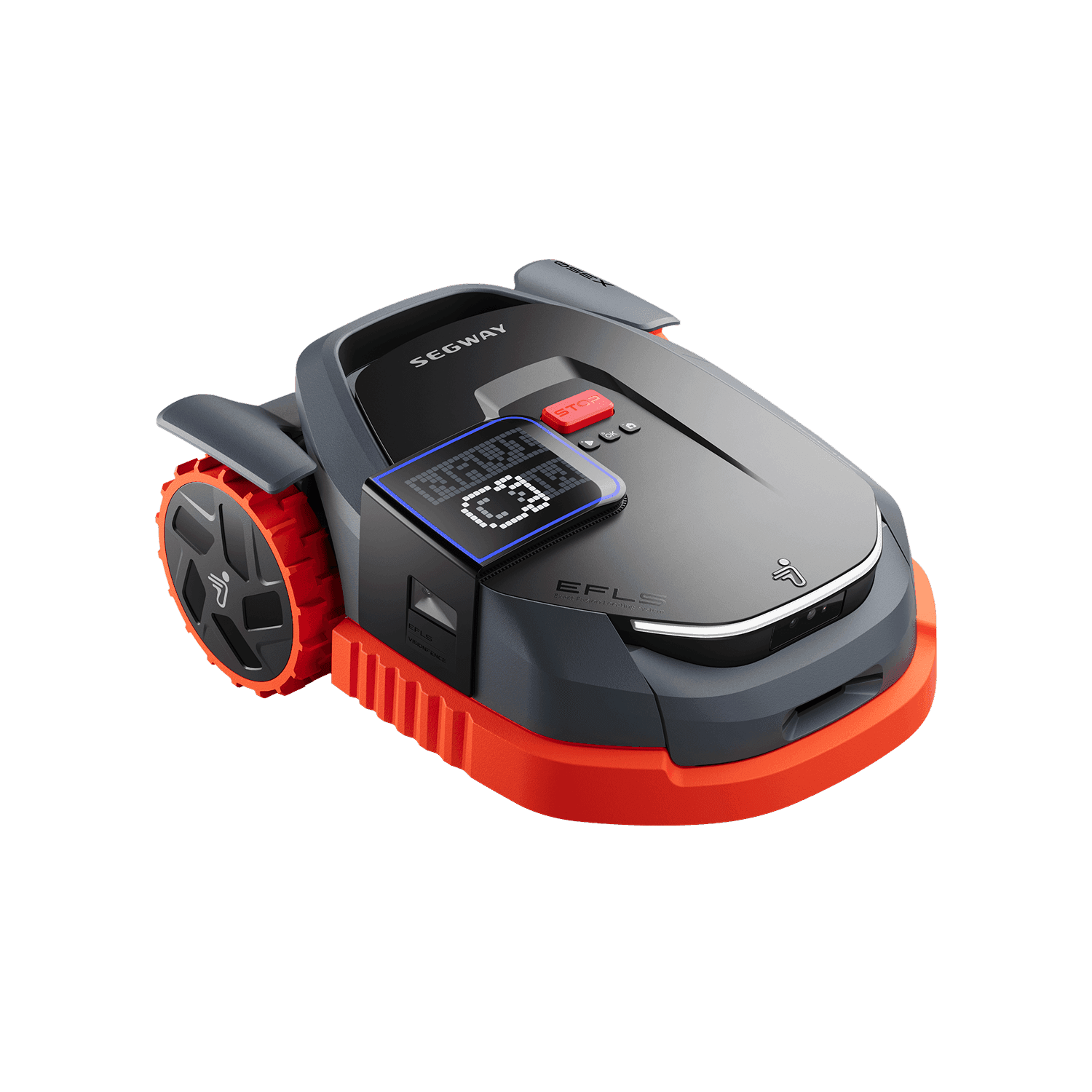
The X450's 2WD sibling, tied with it for the largest mainstream rating at 1.5 acres, for a little less money, with 2WD traction control, quieter ~60 dB operation, and night-capable vision. Honest caveats, and they matter at this size: its daily coverage is about 1.0 acre, well below its 1.5-acre max, so even a full 1.5-acre lawn runs on a longer-than-daily cycle and a true 2-acre lawn is simply above its rating — it cannot maintain the whole thing, and in a fast spring it will fall behind. It is also sky-dependent (it needs open sky and degrades under dense canopy) and rated to a moderate 50% slope, so it is an open-lawn pick, not a wooded or steep one. Use it when your mowable turf measures at or under ~1.5 acres of open field, or as one half of a two-mower split. Read the full review.
5. Segway Navimow X330 — MowScout Score 80 (the open-sky 1-acre building block)
Segway Navimow X330 robot lawn mower
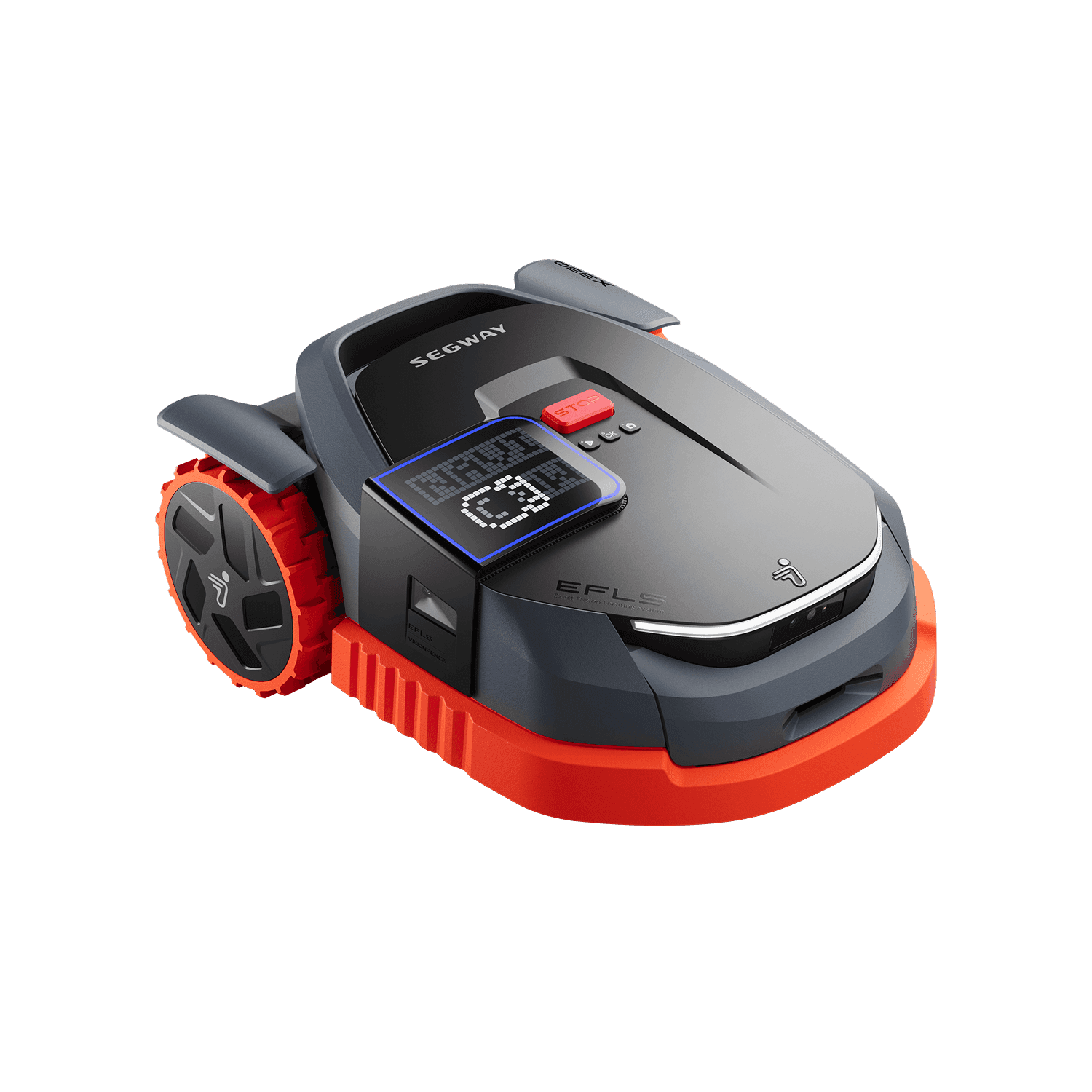
The open-sky, one-acre pick from Navimow's X-series, and the most sensible building block for a two-mower split on a flat 2-acre lot. The X330 is rated to 1.0 acre with matching 1.0-acre daily coverage, 2WD traction control, and the same quiet, night-capable, GPS-plus-vision navigation as the X350. Why it earns a spot here: point two of them at the two halves of an open 2-acre field, each with its own base station, and you get a mower that stays within its rating on each side — which is exactly the headroom a single big machine can't offer over 2 acres. Honest caveats: on its own it covers only half of a 2-acre property; its 50% slope limit rules out steep banks; and like the X350 it is sky-dependent, so dense tree cover degrades or defeats it. For a flat, open, near-1-acre zone with a clear sky view it is a clean fit; for anything steep or shaded, step to the LUBA. Read the full review.
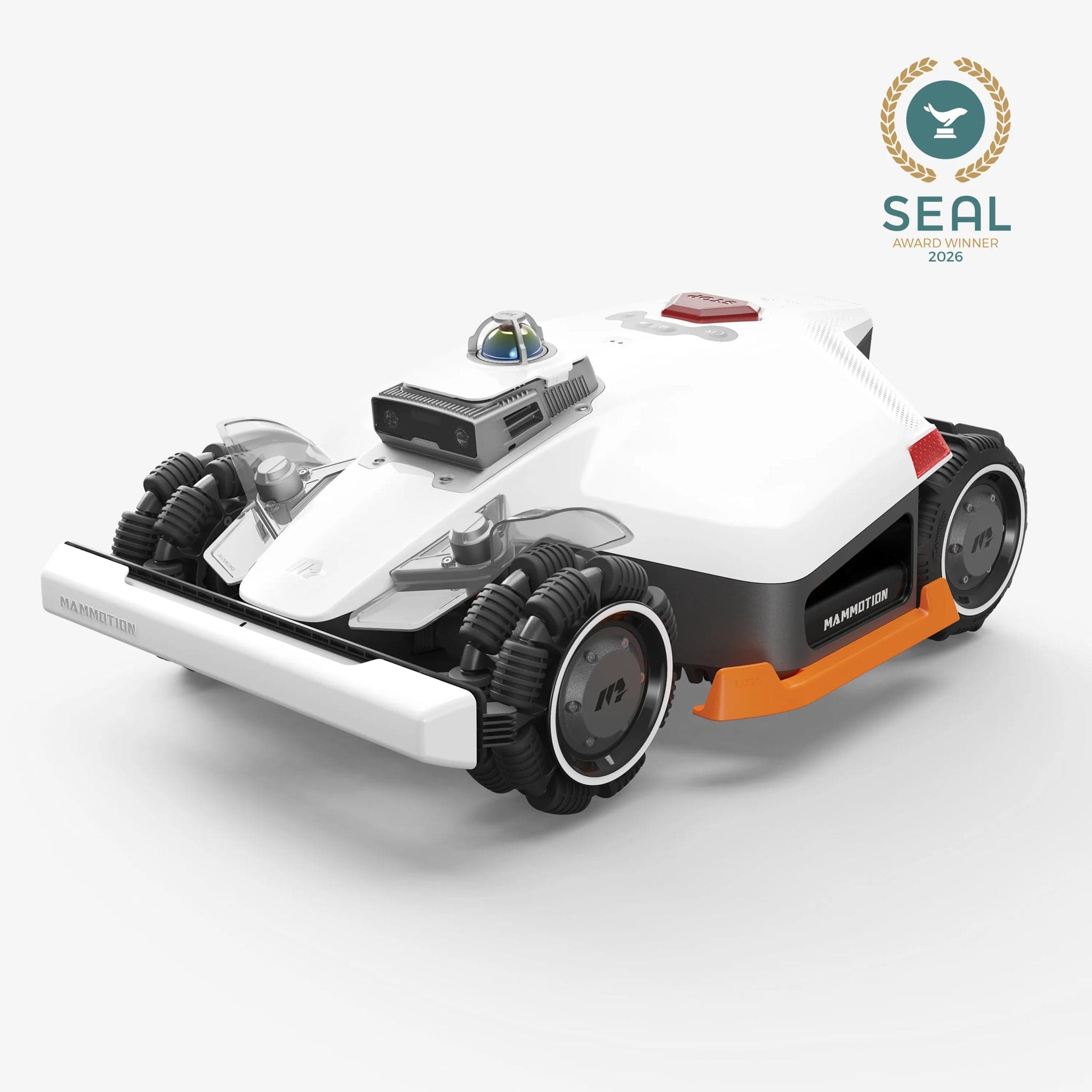
6. Mammotion LUBA 3 AWD 5000H — MowScout Score 93 (best for a big lot that is also steep or wooded)
Stock note, September 2026: the LUBA 3 AWD 5000H is out of stock at every US retailer we track. Until it returns, choose from the in-stock picks on this page.
Mammotion LUBA 3 AWD 5000H robot lawn mower
Tied for the highest Score in our database, and the pick for a large property that is not a flat open field once it is back in stock. It is rated to 1.25 acres with matching 1.25-acre daily coverage — so within its rating it keeps up with growth instead of falling behind — and it maps up to 50 zones for a segmented estate. Genuine AWD to an 80% grade handles the banks and swales big lots hide, and tri-fusion navigation (LiDAR + NetRTK + AI vision) is the redundancy that holds position across long passes and under partial tree canopy where the sky-only Navimows drift. The honest caveat for this page: at 1.25 acres of max area it is smaller than the X450 and X350, so for a genuine 2-acre open lawn it is even further from covering the whole thing on its own — its advantage is capability (slope, trees, zones, keeping-up), not raw acreage. It is the best single mower for a steep or wooded 1.25-acre section, and the strongest anchor for a two-mower split on a demanding property. Read the full review (mower out of stock).
2-acre specs at a glance
Every figure below is a manufacturer rating verified against a retail listing, paired with the MowScout Score. Note the split between max area (total lawn maintained) and daily coverage (mowed per day) — on a lot this size, both matter, and only the Yarbo's max-area claim reaches 2 acres.
Only the tracked, prosumer Yarbo (rated to a claimed 6 acres) is rated past a full 2 acres — and its ~1.7-acre daily coverage still runs a 2-acre lawn across more than a day; among mainstream wire-free mowers the 1.5-acre X350 and X450 are the closest single fits. For a slightly smaller target, see best for large yards & 1+ acre and best for 1 acre.
What to check before you buy for a 2-acre lot
Sizing a mower to a big property is where most of the money is won or lost. Work through these before you order.
1. Measure your actual mowable acreage, not the deed. This is the single most important step. A 2-acre parcel commonly has 1.2 to 1.6 acres of real grass once you subtract the house, driveway, patio, beds, and any woods or gravel. Use a satellite-measure tool or the mower app's mapping. If your turf lands at or under ~1.5 acres, the X450 or X350 can maintain it on a multi-day cycle, and up to 1.7 acres the tracked Lymow One Plus covers it daily; if it is genuinely near 2 acres, plan on two mowers or an estate machine. Do not buy to the deed — buy to the grass.
2. Compare daily coverage against your growth rate, not just the max area. A 1.5-acre max means nothing if the daily figure can't keep the lawn cut in spring. The X350's 1.0-acre/day coverage over a 1.5-acre lawn is a day-and-a-half loop; on a fast-growing cool-season lawn in May that can fall behind. If it will, size down the per-mower area (split the lot) so each machine finishes its zone daily.
3. Map the zones. A 2-acre property is almost always several areas — front, back, side, orchard, septic field. Confirm the mower maps enough zones to represent yours (the LUBA 3 5000H maps 50; the Navimow X-series maps up to 120) and, for a two-mower plan, that each area can host its own base station within reach of power.
4. Check open sky for RTK, or choose LiDAR/fusion for trees. On a big lot, navigation is decided by sky, not size. The satellite-led Navimows (X330, X350, X430, X450) need open sky and long, open passes; they degrade under dense canopy. If your 2 acres includes real tree cover, choose the tri-fusion LUBA 3 (or another LiDAR/fusion machine) that holds position without a sky view. Match the sensor to your sky before you confirm capacity — our RTK vs LiDAR vs vision guide has the full breakdown.
5. Plan the dock location(s). Far corners of a big lot get under-served by a single dock in one corner because of transit and recharge time. Place the base station centrally, or use two docks (with two mowers) so no zone is stranded at the end of the mower's range.
Common mistakes buying a robot mower for 2 acres
Buying to the deed, not the grass. The number-one error on big lots. A "2-acre" listing is usually
1.2–1.6 acres of turf; size to the measured mowable area or you will badly over- or under-buy.
Trusting the max-area rating and ignoring daily coverage. A 1.5-acre ceiling with 1.0-acre daily
coverage does not maintain a 1.5-acre lawn every day. On a big lot, the daily number is what keeps the grass cut in spring.
Expecting a mainstream wire-free mower to maintain a full 2 acres. Nothing in the mainstream tier is
rated to it — only the tracked, estate-priced Yarbo is. On a mainstream budget, plan a multi-day cycle (≤1.5 acres of turf) or two mowers, not one affordable unit running around the clock.
Putting an open-sky Navimow on a wooded lot. Under canopy, satellite positioning drifts or stops. For
real tree cover across a big lot, filter for LiDAR or fusion (the LUBA 3), no matter how large the area rating looks.
Forgetting the hidden slopes. Big lots hide banks and swales. If yours does, the 50%-rated X330 and X350 may struggle — step to an 80% AWD LUBA 3 or Dreame, or the AWD X450 with its slope claim treated as unproven. See best for hills.
One dock in a far corner. A single base station at the edge of 2 acres strands the opposite side. Place
it centrally, or split the lot with two mowers and two docks.
Frequently asked questions
Can any robot mower actually mow 2 acres in 2026? Yes — but only one machine we track is genuinely rated for it. The Yarbo Lawn Mower Pro is a tracked, prosumer platform rated to a claimed 6 acres of maximum area (about 1.7 acres of daily coverage), with the mower module attaching to Yarbo's separately-sold Core base — so it is the one honest single-machine answer for a true 2 acres, at an estate-class price. In the mainstream tier, the largest wire-free ratings are the Segway Navimow X350 and X450 at 1.5 acres (about 1.0 acre of daily coverage each) and the Mammotion LUBA 3 AWD 5000H at 1.25 acres, all of which top out below 2 acres. So for 2 acres your honest options are: the Yarbo if you'll pay for one big tracked machine; the biggest mainstream unit run on a multi-day cycle if your mowable turf is really 1.5 acres or less; or two mowers split by zone. Measure your real mowable acreage first — a "2-acre property" is often 1.2 to 1.6 acres of actual grass.
What is the closest single robot mower to 2 acres? For a genuine 2 acres, the only single machine rated to clear it is the Yarbo Lawn Mower Pro (MowScout Score 89), a tracked platform rated to a claimed 6 acres — well past 2 — with its mower module mounting on Yarbo's separately-sold Core base. Its honest caveat is daily coverage: it maintains only about 1.7 acres per day, so a full 2 acres still runs across more than one day. Below it, the tracked Lymow One Plus (Score 90) is rated to 1.73 acres of both maximum area and daily coverage, close to but still short of 2 acres. If you want a mainstream wire-free mower instead, the closest single fit is the Segway Navimow X450 (Score 93), rated to 1.5 acres with AWD, but at about 1.0 acre of daily coverage it sits below a true 2 acres, so you would run it on a multi-day cycle or add a second mower.
Why is a mower's max-area rating higher than what it can mow in a day? They measure two different things. Max area is the total lawn a mower is rated to maintain on a repeating cycle; daily coverage is how much it can actually cut in one day. The Navimow X350 is rated to 1.5 acres but covers about 1.0 acre per day, so it works through its full 1.5-acre map over roughly a day and a half. On a property pushing 2 acres, that gap is where mowers fall behind — in a fast spring flush the grass can outgrow the cycle. On a big lot, confirm the daily-coverage number keeps up with your growth rate, not just that the max-area ceiling sounds big.
Should I buy two robot mowers for a 2-acre lawn? For a genuine 2-acre lawn it is often the most reliable path, and sometimes the only one. Two mowers, each with its own base station covering a separate sub-acre zone, split the property so each machine stays comfortably within its area rating and daily coverage with headroom to spare. It makes the most sense when your total mowable turf exceeds the largest mainstream rating (1.5 acres) or when the property is already several physically separated areas — a front acre and a back acre, say — that one base station cannot reach.
Do I need open sky and RTK for a 2-acre property? It depends on tree cover, not size. For a big, open 2-acre lot with a clear view of the sky, the satellite-led Navimow X-series (X330, X350, X430 and X450) are efficient and accurate over the long straight passes a large field is made of, but they depend on open sky and degrade under dense canopy. For a wooded large lot, choose LiDAR or a fusion system that includes it — the LUBA 3 line's tri-fusion navigation (LiDAR + NetRTK + AI vision) holds position under partial canopy where a sky-only mower drifts or refuses to run. Match the sensor to your sky first, then confirm capacity.
How much mowable lawn does a "2-acre property" actually have? Usually a lot less than two acres of grass. Once you subtract the house footprint, driveway, patio, garden beds, a shed, and any woods or gravel, a lot deeded at 2 acres often has 1.2 to 1.6 acres of actual mowable turf. That distinction matters enormously here, because 1.5 acres is the ceiling of what our largest mainstream single mowers can maintain — only the tracked Lymow One Plus (1.73 acres) and the estate-class Yarbo are rated higher. Measure your real mowable area with a satellite tool or the mower app's mapping before you decide whether one big unit fits or you need two.
Find your match
At 2 acres, the right answer depends entirely on your measured mowable acreage, your layout, your slopes, and your tree cover — more than any ranked list can settle. This page names the closest-fit machines; your lot is more specific than any of them.
The configurator screens your exact area, growth rate, slope, tree cover, and budget against every model we track, so you don't overspend on a 1.5-acre mainstream flagship that still can't finish a true 2 acres — or under-buy a single mower where the tracked Yarbo or a two-machine split is the honest fix. Keep reading: the pillar on how robot mowers work, the deep dive on RTK vs LiDAR vs vision, the best for large yards & 1+ acre roundup, and the best for 1 acre guide for a slightly smaller target.
MowScout is reader-supported and may earn a commission from links on this page. Our picks are spec-verified and data-driven — based on published manufacturer specifications and verified US pricing, not hands-on lab testing. We have not physically tested these mowers; there are no fabricated measurements, timings, or photos on this page. Always confirm the current price before buying. See our full disclosure.
Related mower reviews
Related pick #1
Yarbo Lawn Mower Pro
Score89/100
Yarbo Lawn Mower Pro belongs in Best Robot Mowers for 2 Acres (2026) because it combines hybrid navigation, 6 acres of rated coverage, a 70% slope rating, and 99 mapped zones. RWD makes it a better fit for simpler turf. No separate antenna requirement reduces one setup variable.
Lymow One Plus belongs in Best Robot Mowers for 2 Acres (2026) because it combines hybrid navigation, 1.73 acres of rated coverage, a 100% slope rating, and 80 mapped zones. RWD makes it a better fit for simpler turf. Plan the antenna or base placement carefully.
Segway Navimow X450 belongs in Best Robot Mowers for 2 Acres (2026) because it combines hybrid navigation, 1.5 acres of rated coverage, a 84% slope rating, and 120 mapped zones. AWD/4WD gives it extra traction margin. No separate antenna requirement reduces one setup variable.
Segway Navimow X350 belongs in Best Robot Mowers for 2 Acres (2026) because it combines hybrid navigation, 1.5 acres of rated coverage, a 50% slope rating, and 120 mapped zones. RWD makes it a better fit for simpler turf. No separate antenna requirement reduces one setup variable.
Segway Navimow X330 belongs in Best Robot Mowers for 2 Acres (2026) because it combines hybrid navigation, 1 acre of rated coverage, a 50% slope rating, and 120 mapped zones. RWD makes it a better fit for simpler turf. No separate antenna requirement reduces one setup variable.
Robot mowers fail when a generic recommendation misses the hard constraint: slope, tree cover, separated zones, dock placement, or budget. Run the configurator before using any deal box.
Yes — but only one machine we track is genuinely rated for it. The Yarbo Lawn Mower Pro is a tracked, prosumer platform rated to a claimed 6 acres of maximum area (about 1.7 acres of daily coverage), with the mower module attaching to Yarbo's separately-sold Core base — so it is the one honest single-machine answer for a true 2 acres, at an estate-class price. In the mainstream tier, the largest wire-free ratings are the Segway Navimow X350 and X450 at 1.5 acres (about 1.0 acre of daily coverage each) and the Mammotion LUBA 3 AWD 5000H at 1.25 acres, all of which top out below 2 acres. So for 2 acres your honest options are: the Yarbo if you'll pay for one big tracked machine; the biggest mainstream unit run on a multi-day cycle if your mowable turf is really 1.5 acres or less; or two mowers split by zone. Measure your real mowable acreage first — a '2-acre property' is often 1.2 to 1.6 acres of actual grass.
What is the closest single robot mower to 2 acres?
For a genuine 2 acres, the only single machine rated to clear it is the Yarbo Lawn Mower Pro (MowScout Score 89), a tracked platform rated to a claimed 6 acres — well past 2 — with its mower module mounting on Yarbo's separately-sold Core base. Its honest caveat is daily coverage: it maintains only about 1.7 acres per day, so a full 2 acres still runs across more than one day. Below it, the tracked Lymow One Plus (Score 90) is rated to 1.73 acres of both maximum area and daily coverage, close to but still short of 2 acres. If you want a mainstream wire-free mower instead, the closest single fit is the Segway Navimow X450 (Score 93), rated to 1.5 acres with AWD, but at about 1.0 acre of daily coverage it sits below a true 2 acres, so you would run it on a multi-day cycle or add a second mower.
Why is a mower's max-area rating higher than what it can mow in a day?
They measure two different things. Max area is the total lawn a mower is rated to maintain on a repeating cycle; daily coverage is how much it can actually cut in one day. The Navimow X350 is rated to 1.5 acres but covers about 1.0 acre per day, so it works through its full 1.5-acre map over roughly a day and a half. On a property pushing 2 acres, that gap is where mowers fall behind — in a fast spring flush the grass can outgrow the cycle. On a big lot, confirm the daily-coverage number keeps up with your growth rate, not just that the max-area ceiling sounds big.
Should I buy two robot mowers for a 2-acre lawn?
For a genuine 2-acre lawn it is often the most reliable path, and sometimes the only one. Two mowers, each with its own base station covering a separate sub-acre zone, split the property so each machine stays comfortably within its area rating and daily coverage with headroom to spare. It makes the most sense when your total mowable turf exceeds the largest mainstream rating (1.5 acres) or when the property is already several physically separated areas — a front acre and a back acre, say — that one base station cannot reach.
Do I need open sky and RTK for a 2-acre property?
It depends on tree cover, not size. For a big, open 2-acre lot with a clear view of the sky, the satellite-led Navimow X-series (X330, X350, X430 and X450) are efficient and accurate over the long straight passes a large field is made of, but they depend on open sky and degrade under dense canopy. For a wooded large lot, choose LiDAR or a fusion system that includes it — the LUBA 3 line's tri-fusion navigation (LiDAR + NetRTK + AI vision) holds position under partial canopy where a sky-only mower drifts or refuses to run. Match the sensor to your sky first, then confirm capacity.
How much mowable lawn does a '2-acre property' actually have?
Usually a lot less than two acres of grass. Once you subtract the house footprint, driveway, patio, garden beds, a shed, and any woods or gravel, a lot deeded at 2 acres often has 1.2 to 1.6 acres of actual mowable turf. That distinction matters enormously here, because 1.5 acres is the ceiling of what our largest mainstream single mowers can maintain — only the tracked Lymow One Plus (1.73 acres) and the estate-class Yarbo are rated higher. Measure your real mowable area with a satellite tool or the mower app's mapping before you decide whether one big unit fits or you need two.