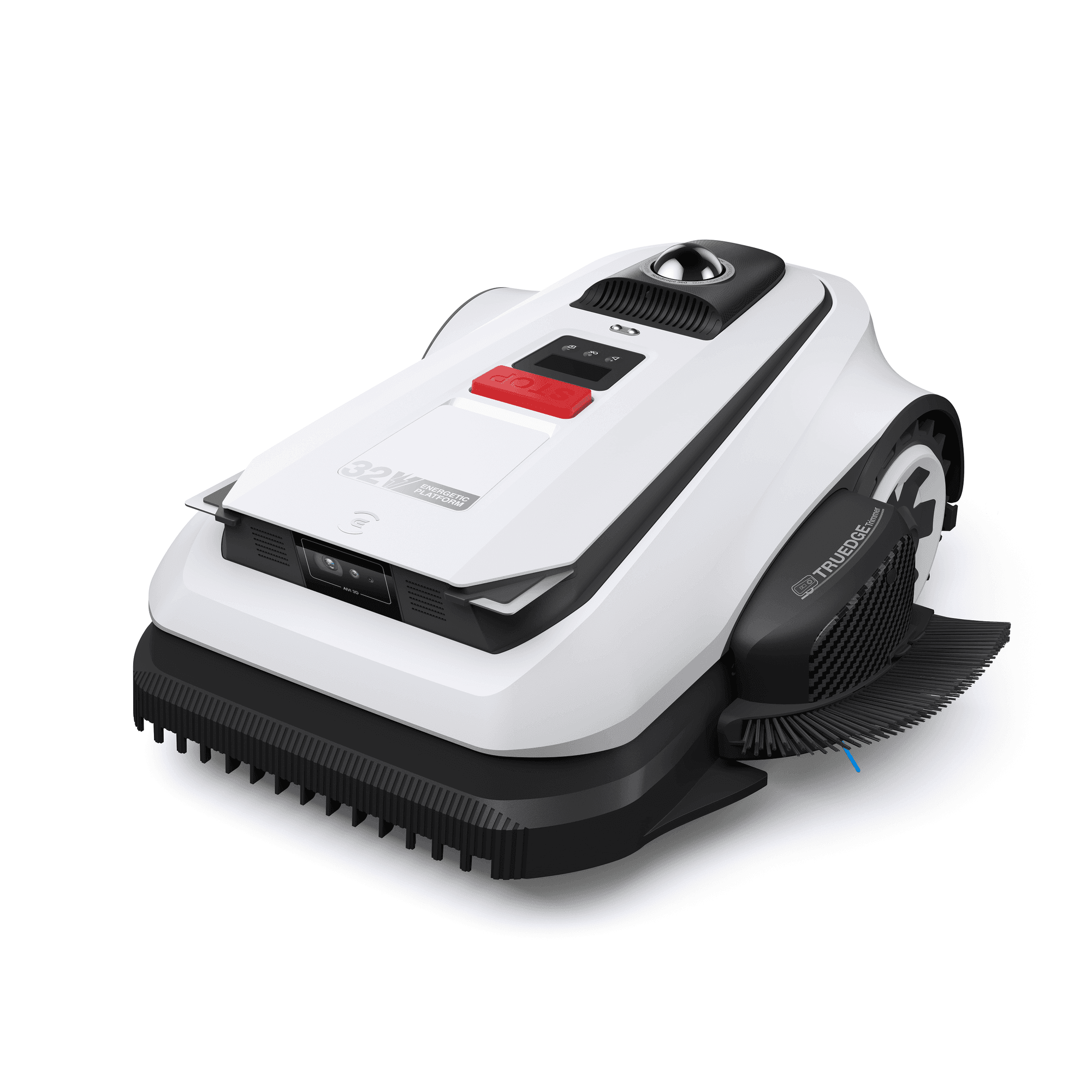
Two thousand dollars sounds like a compromise budget in this category. It is not. Twenty-four of the 37 models we track sit under $2,000 — about two-thirds of the market — and the machines in this band are not stripped-down versions of the expensive ones. They are, for most American lawns, simply the right machines.
This page covers what that budget genuinely buys in 2026, what it does not, and the one specific reason to stretch from $1,500 to $2,000 rather than stopping short.
What the budget actually covers
The distribution matters more than the headline. Of our 37-model catalog:
| Band | Models |
|---|
| Under $1,500 | 15 |
| $1,500–$2,000 | 9 |
| Under $2,000 total | 24 |
| $2,000 and above | 13 |
So the sub-$2,000 market is not a narrow shelf at the bottom — it is the majority of the category, and it spans budget vision mowers through to genuinely premium LiDAR and AWD machines.
If you are earlier in the process, the pillar guide covers how price sits against the specs that actually decide fit.
The $1,500 to $2,000 band is where the category changes
This is the finding that should drive the decision, and it is invisible if you shop by price alone.
Below $1,500, no machine in our catalog is rated above a 45% slope. The entire sub-$1,500 shelf is flat-to-moderate territory, the two all-wheel-drive Navimows included.
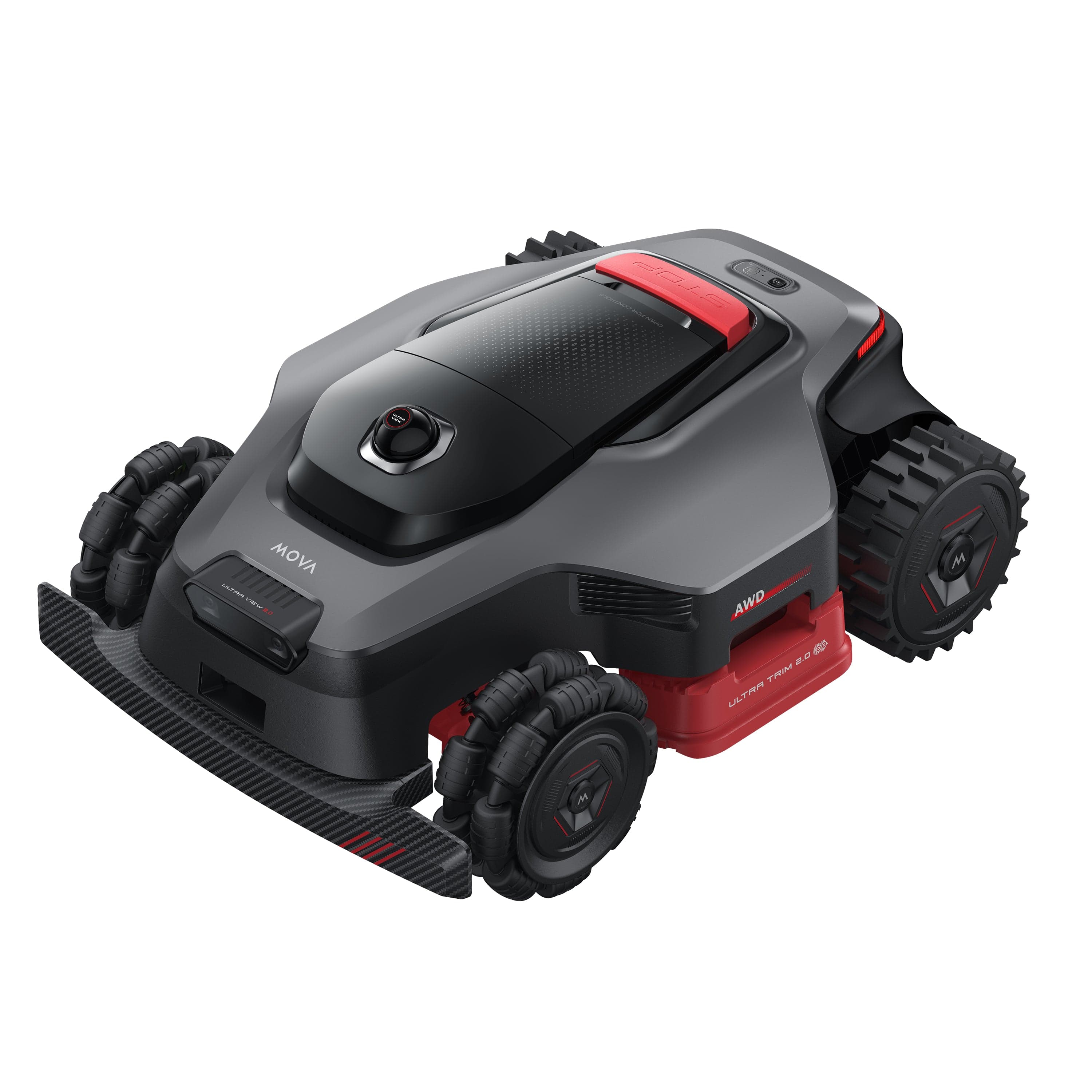
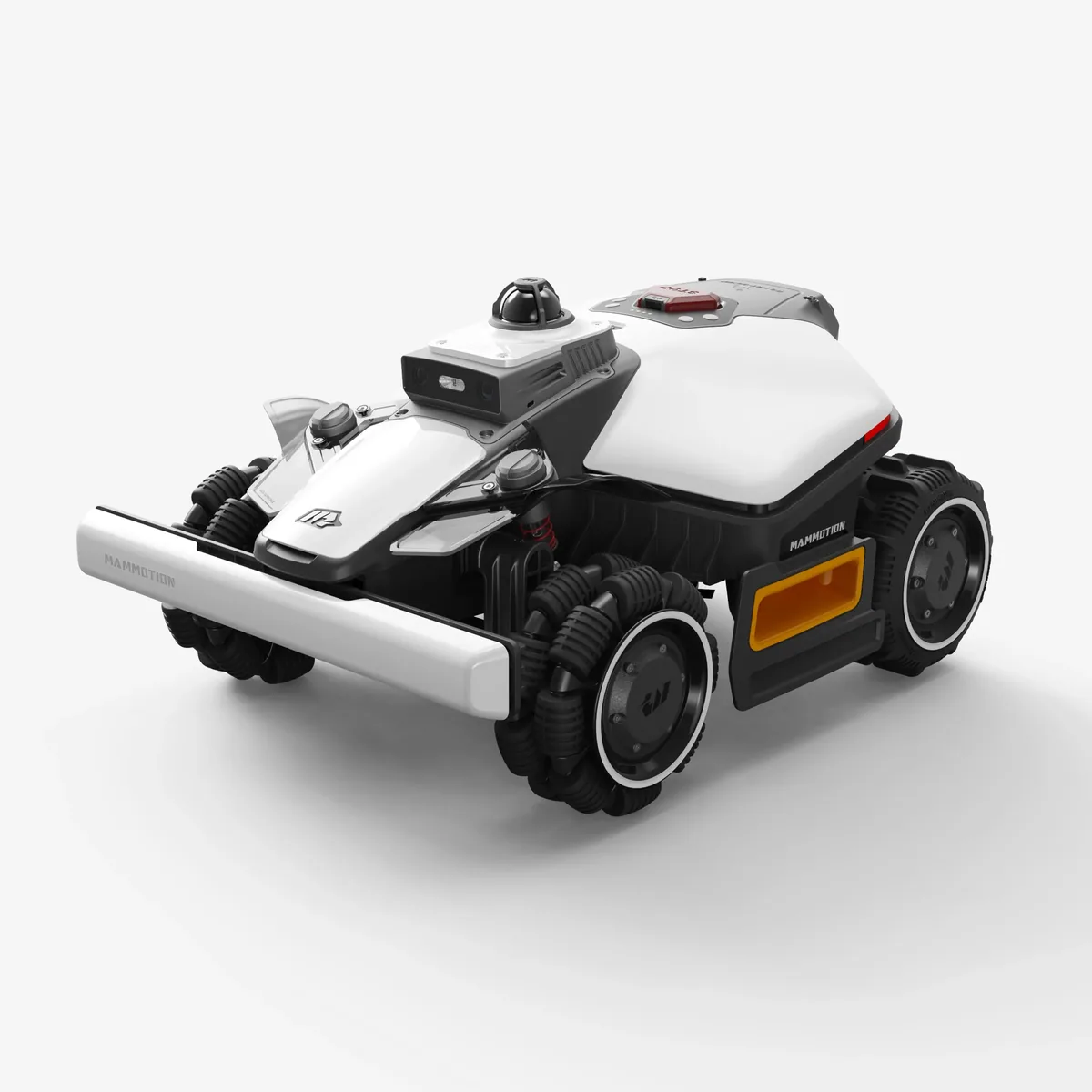
In the $1,500 to $2,000 band, an 80% slope rating arrives. The MOVA LiDAX Ultra 2000 AWD (MowScout Score 85) and the Mammotion LUBA mini 2 AWD (Score 79) both land under the cap, both drive all four wheels, and both are rated to 80%; the original LUBA mini AWD (out of stock) did too, but it is now out of stock at every US retailer we track. (Two Navimows, the i206 AWD and i210 AWD, add all-wheel drive below $1,500, but they are rated to only 45%.)
That is a genuine capability cliff rather than a gradual improvement. If any part of your lawn is a real bank, the difference between a $1,400 budget and a $1,900 one is the difference between a mower that works and one that strands itself. Our slope guide covers how to measure whether you are in that situation — and the short version is that drivetrain, not price, is what separates the two groups.
If your lawn is flat, the opposite applies just as strongly: paying for AWD you will never use is the most common way to overspend in this category.
What you do not give up
It is worth being specific about this, because the assumption that cheap means compromised is out of date in 2026.
Navigation. LiDAR is available from about half this budget in our catalog. It is no longer a premium feature, and several of the best-mapping machines we track sit in the lower half of this budget.
Antenna-free installation. Most sub-$2,000 machines need no RTK antenna, which removes the most awkward part of a robot mower install. See simple setup for the full shortlist.
Edge quality. Our top edge rating appears near the bottom of the price range — the cheapest LiDAR machines we track earn it. Clean edges covers which models and why deck width does not predict it.
Zone count. Some of the highest zone counts in our entire catalog belong to sub-$2,000 machines, so a property split into several separate areas does not force you upmarket.
Slope, up to 80%. As above — the ceiling within this budget is the same 80% that most premium AWD machines carry. Only three machines in our catalog go higher: the Navimow X430 and X450 at 84%, and a tracked platform.
What you do give up
Acreage. This is the real constraint, and it is sharp. The largest lawn covered by anything under this cap is 0.80 acre, and that machine — the Husqvarna Automower 430X — navigates by buried boundary wire, the most labour-intensive install in the category. If you want wire-free, the practical ceiling is about 0.75 acre.
Above $2,000 you are mainly buying coverage: the 1-acre-plus machines, and above them the estate platforms. That is genuinely most of what the extra money is for.
Warranty length. You see more 2-year terms at this end of the market and fewer 3- and 4-year ones. Given that a battery pack typically becomes a question in years three to five, that is a real consideration rather than a spec-sheet detail — our 5-year cost guide works through what ownership actually costs beyond the purchase.
No wet-grass ratings. None of the machines in this band is rated by its maker to cut wet grass, including both AWD options mentioned above. If your lawn holds moisture, plan on rain delays and buy capacity to spare — the wet grass guide explains why it matters more than buyers expect.
The picks
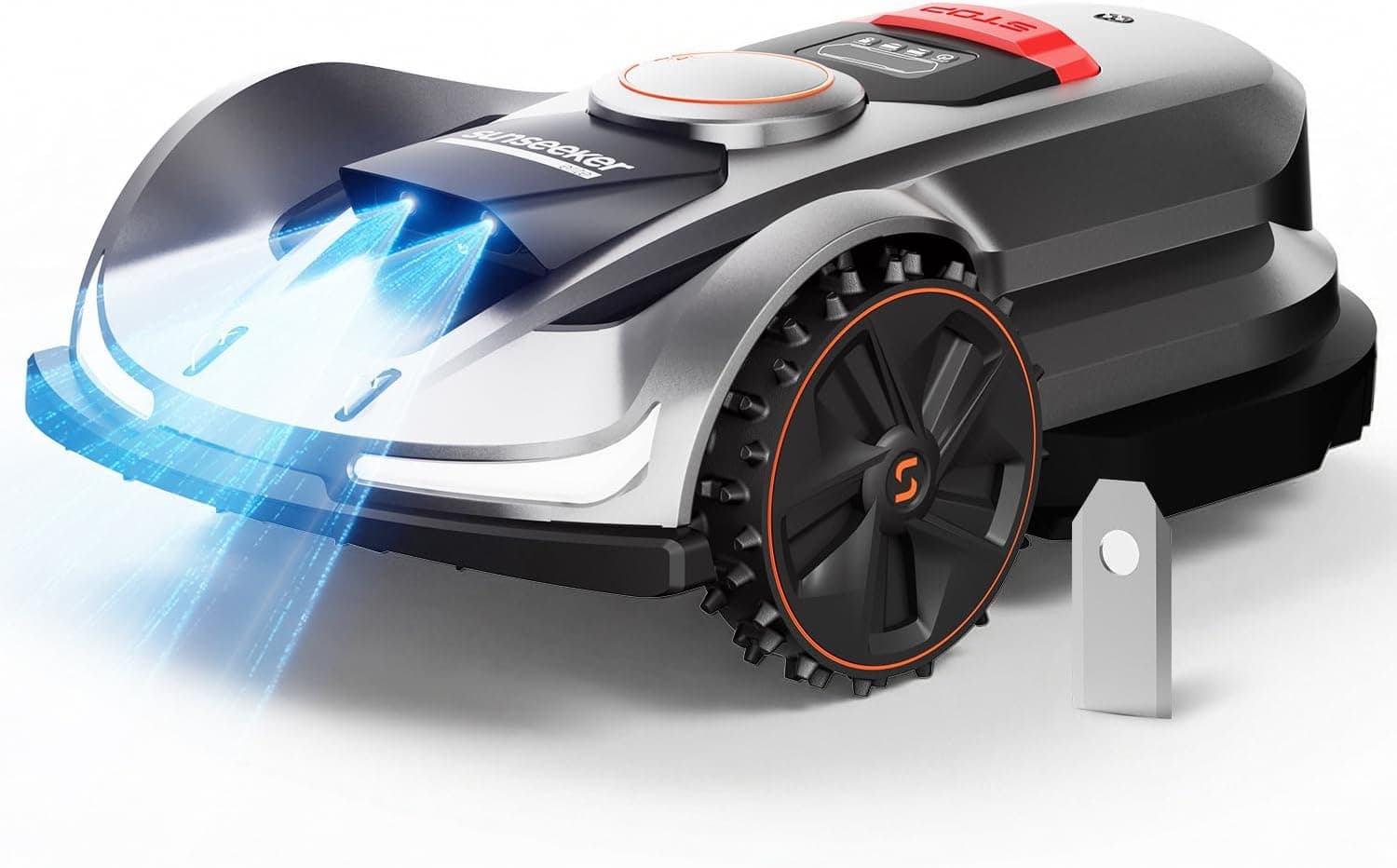
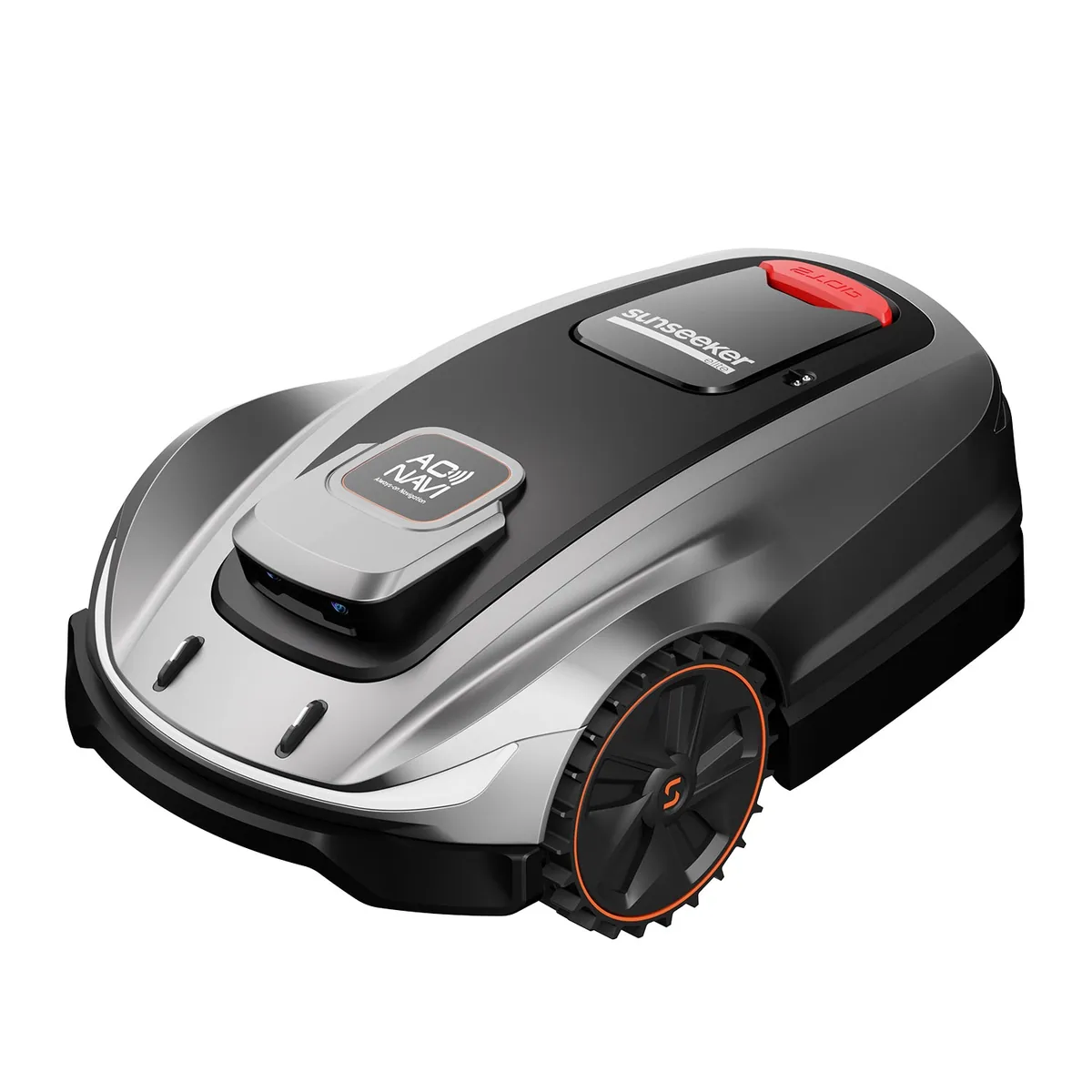
New in the catalog (September 2026): three more mowers fit under the cap. The Sunseeker X5 AWD (Score 79) brings all-wheel drive to 60% and a dedicated edge disc across half an acre, with an RTK antenna to site. The Navimow i215 LiDAR (Score 70) is Navimow's antenna-free LiDAR mower for shaded lots up to 0.37 acre. The WORX Landroid Vision Cloud WR320.1 (Score 71) covers half an acre with no antenna and a standard edge blade, on a 30% slope rating. The Sunseeker X7, rated to three-quarters of an acre, now has its own pick below.
Best sloped lawn under the cap — MOVA LiDAX Ultra 2000 AWD (Score 85). All-wheel drive to an 80% slope across half an acre, LiDAR-plus-vision navigation that works under trees, good edges, no antenna, a 3-year warranty, and 150 mapped zones, tied with the rest of the MOVA LiDAX line for the highest count in our catalog. It outscores every other sloped machine under the cap and covers more ground than the LUBA mini 2. If your lawn is genuinely steep, this is the machine the budget exists to reach.
Best small steep lawn — Mammotion LUBA mini 2 AWD (Score 79). The same 80% AWD rating in a compact 0.37-acre body, with LiDAR-plus-vision navigation, a dedicated edge disc and no antenna. It replaces the original LUBA mini AWD (out of stock), now out of stock at every US retailer we track. Choose it over the MOVA when your steep lawn is a third of an acre or less and you want Mammotion's app.
Best for a bigger lawn under the cap — Sunseeker X7 (Score 83). Three-quarters of an acre of wire-free coverage, with all-wheel drive to a 70% slope and a 0.8–4.0 inch cut that reaches short Bermuda and tall St. Augustine alike. The trade-offs are the install and the paperwork: its RTK reference antenna needs a clear view of the sky, it carries a 2-year warranty, and we rate its edges ok.
Best half acre — ECOVACS GOAT A2000 LiDAR PRO (Score 75). Half an acre, LiDAR mapping, no antenna, and our top edge rating. A 45% slope ceiling makes it a flat-to-moderate machine, but within that brief it gives up very little to anything above the cap.
Best value — ECOVACS GOAT O1000 LiDAR PRO (Score 72). A quarter acre with LiDAR, no antenna, and our top edge rating, at roughly half this budget. For a small flat lawn it is difficult to argue for spending more.
Largest lawn — Husqvarna Automower 430X (Score 61). The only way to cover 0.80 acre under the cap, with the longest brand track record here. The cost is the install: a buried boundary wire around the perimeter and every bed, and a re-wiring job whenever you change the landscaping.
What the budget does not tell you about cost
Purchase price is the large majority of what a robot mower costs over five years, but it is not all of it, and the gap between models is wider at this end of the market than buyers expect.
Warranty length compounds. A 2-year term on a machine you intend to keep for five means the most expensive foreseeable repair — a battery pack — falls outside coverage. Several sub-$2,000 machines carry two years where pricier ones carry three or four, and that difference is worth real money on a five-year view even though it never appears on a spec comparison.
Blades and consumables are ongoing. Every machine here needs replacement blades on a schedule that depends on your grass and mowing hours, and warm-season lawns run more hours than cool-season ones.
Connectivity may be a subscription. Some models include cellular connectivity in the price and others charge for it after an introductory period. On a five-year horizon that can be a meaningful line item, and it is easy to miss at purchase.
The base station is universal. Every model in our catalog needs one, so it is never an optional extra — but siting it well (level, powered, sheltered) costs nothing and prevents the docking problems that get misdiagnosed as navigation faults.
Our 5-year cost guide works through the whole picture with catalog data. The short version is that purchase price dominates, so buying the right machine for your lawn matters far more than shaving the sticker.
How to choose within the budget
Work in this order, because the constraint that eliminates most options is not price.
- Measure mowable turf. Not lot size — actual grass. This sets your shortlist before
anything else, and at this budget it is the binding constraint.
- Measure your steepest section. If it is above 45%, you need the upper half of this band
and all-wheel drive. If it is not, do not pay for it.
- Check wet grass if your lawn is shaded or low-lying.
- Then choose on edges, zones and app quality, which is where the remaining differences
between these machines actually live.
A quarter-acre flat lawn is well served near the bottom of this range; a sloped third of an acre needs the top of it; and a three-quarter-acre lawn is at the ceiling of what the budget covers at all.
A note on how fast this band moves
Sub-$2,000 is the most volatile part of the robot mower market, and it is worth knowing why before you fix a number in your head.
This is where the newest brands compete hardest. The established names anchor the top of the market on track record and warranty, while newer entrants buy attention at the bottom with capability per dollar — LiDAR at entry prices, AWD just under the cap. That competition moves street prices far more than it moves the premium tier, and it moves them in both directions: introductory pricing on a new model, then a correction once it establishes itself.
The practical consequences are two. First, a model that was out of budget last quarter may not be now, so a shortlist built on old prices is worth re-checking rather than trusting. Second, a low price on a very new machine is not the same as a good deal — a brand with no multi-year US field record is an unknown on the questions only time answers, like how support responds in year three and whether parts stay available.
We publish price tiers rather than chase street prices in article text, precisely because figures written into prose go stale and mislead. Live deals is where the current numbers are.
Where this budget sits against the others
If you are weighing bands rather than models, the practical shape is:
- Under $1,000 — small, flat, simple. Real machines,
genuinely limited on slope and area.
- Under $1,500 — the value sweet spot for a flat quarter
to half acre, with LiDAR and good edges available.
- Under $2,000 — this page. Adds 80%-slope AWD and up to three-quarters of an acre.
- Above $2,000 — mainly acreage, plus longer warranties and the tracked platforms.
The jump from $1,500 to $2,000 buys capability. The jump from $2,000 to $3,000 mostly buys area. Which of those you need is decided by your lawn, not your budget, which is why we would measure before shopping rather than after.
Our yard-fit configurator screens the whole catalog against measured area, slope and tree cover at once. Street prices move constantly and the models in this band move most, so check live deals rather than budgeting from a figure in an article.